Maximize Your Kitchen Renovation Impact in Oshkosh, WI
Strategic Planning for Lasting Value
Establish a Realistic Budget with Contingency Funds
Before making any decisions, determine your total investment capacity and allocate funds strategically across materials, labor, and fixtures. Financial discipline forms the foundation of successful projects. Set aside 15 to 20 percent of your total budget as a contingency fund to address unexpected structural issues, code compliance requirements, or last-minute design adjustments. This financial cushion prevents mid-project compromises that could diminish the overall quality of your finished space. Document all expenses in a detailed spreadsheet, tracking actual costs against projected estimates to maintain transparency throughout the construction process. Prioritize spending on elements that provide lasting value, such as durable cabinetry, quality countertops, and reliable appliances, especially when planning kitchen remodeling projects that demand both functionality and design longevity. While focusing on the kitchen, many homeowners also explore related improvements like basement renovation opportunities that expand usable living space throughout the home.
Optimize the Work Triangle for Efficiency
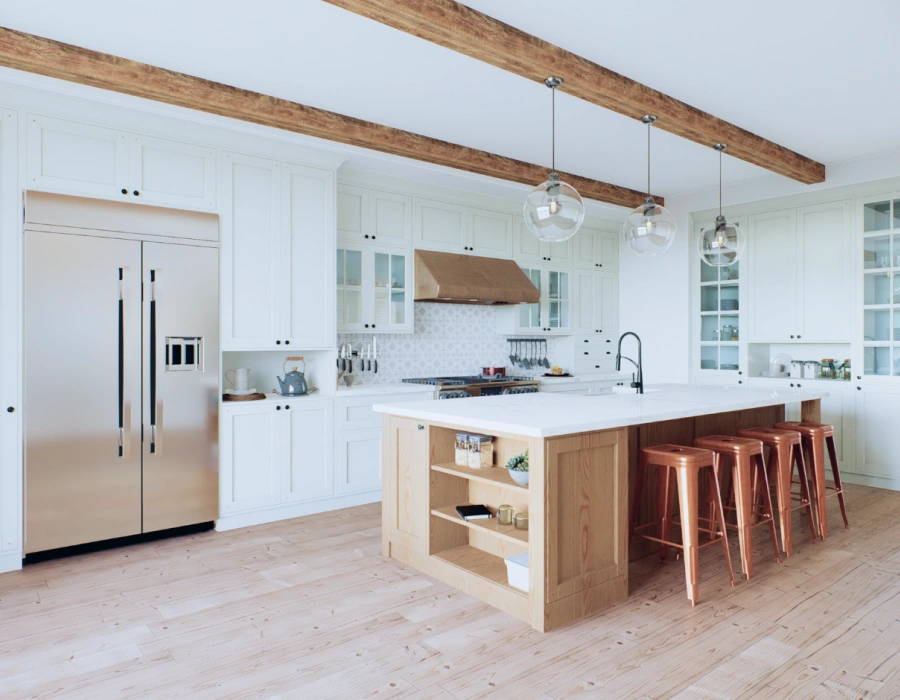
The relationship between your sink, cooking surface, and refrigerator directly impacts daily functionality. Design these three zones within a comfortable distance of four to nine feet from each other to minimize unnecessary movement during meal preparation. This principle applies whether you’re working with a compact galley layout or an expansive open floor plan. Consider how multiple household members might use the space simultaneously, ensuring adequate clearance around key work areas. Islands and peninsulas should allow at least 42 inches of walkway space on all sides to prevent bottlenecks during busy cooking sessions. Think about your specific cooking habits and storage needs when finalizing the layout, positioning frequently used items within easy reach of their primary use locations. Strategic placement of task lighting above each work zone enhances visibility and safety during food preparation activities. Many homeowners work with experienced custom home builders to ensure layouts align with long-term household needs and support seamless movement throughout the space.

Maximize Storage Capacity with Smart Cabinetry
Intelligent storage design transforms cluttered countertops into functional workspaces. Incorporate deep drawers for pots and pans, pull-out organizers for spices and canned goods, and dedicated spaces for small appliances that would otherwise occupy valuable counter real estate. Vertical space often goes underutilized, so extend cabinetry to the ceiling to capture every available inch for seasonal items and entertaining pieces. Corner cabinets equipped with rotating shelves or pull-out systems eliminate the frustration of reaching into dark, inaccessible spaces. Drawer dividers and customized inserts keep utensils, cooking tools, and pantry items organized and visible, reducing the time spent searching for everyday essentials. Toe-kick drawers provide hidden storage for flat items like baking sheets and cutting boards, making use of space that typically remains empty. Well-planned storage solutions reduce visual chaos and create a more enjoyable cooking environment that accommodates your specific collection of cookware and serving pieces. When planning larger upgrades, homeowners often coordinate cabinetry improvements with bathroom remodeling projects to maintain consistent design and storage solutions throughout the home.
Layer Lighting for Ambiance and Function
A successful lighting scheme combines ambient, task, and accent illumination to create a space that functions beautifully at any time of day. Recessed ceiling fixtures provide general illumination, while under-cabinet lighting eliminates shadows on countertops during food preparation. Pendant fixtures suspended over islands or dining areas add visual interest while directing light where you need it most. Consider installing dimmer switches to adjust brightness levels based on the activity, shifting from bright task lighting during meal preparation to softer ambient lighting during dining. Natural light should factor into your planning, with window treatments that allow you to control brightness without sacrificing privacy. In Oshkosh, where winter days grow short and evenings arrive early, thoughtful artificial lighting becomes particularly important for maintaining a cheerful, productive atmosphere throughout the darker months. LED technology offers energy efficiency and longevity, reducing maintenance requirements while providing consistent color temperature across all fixtures. These design considerations often complement broader modern home design services that focus on blending aesthetics with functionality across multiple living areas.
Choose Durable Materials that Withstand Daily Use
Material selection directly impacts both the immediate appearance and long-term performance of your cooking space. Countertop surfaces should resist stains, heat, and scratching while complementing your overall design aesthetic. Quartz offers durability with minimal maintenance requirements, while natural stone provides unique character with slightly more upkeep. Flooring must withstand spills, dropped items, and constant foot traffic, making porcelain tile, luxury vinyl, and engineered hardwood popular choices for their resilience and visual appeal. Cabinet finishes should resist moisture and frequent cleaning without showing wear, with painted surfaces requiring more maintenance than stained wood or thermofoil options. Backsplash materials range from classic ceramic subway tiles to modern glass panels, each offering different installation costs and maintenance considerations. Wisconsin’s temperature fluctuations and humidity variations make material stability particularly important, as some natural materials may expand or contract with seasonal changes. Many homeowners balance contemporary materials with timeless aesthetics by incorporating guidance from a traditional home design contractor who understands how classic styles can complement durable modern materials.